


I did not grow up in a home I wanted to replicate.
My mother had five children, and from my perspective, she was unhappy most of the time. There was not enough money, very little support, and very little acknowledgment of how hard she was working. It felt like an unpaid job that no one really saw, and it was certainly not one I aspired to.
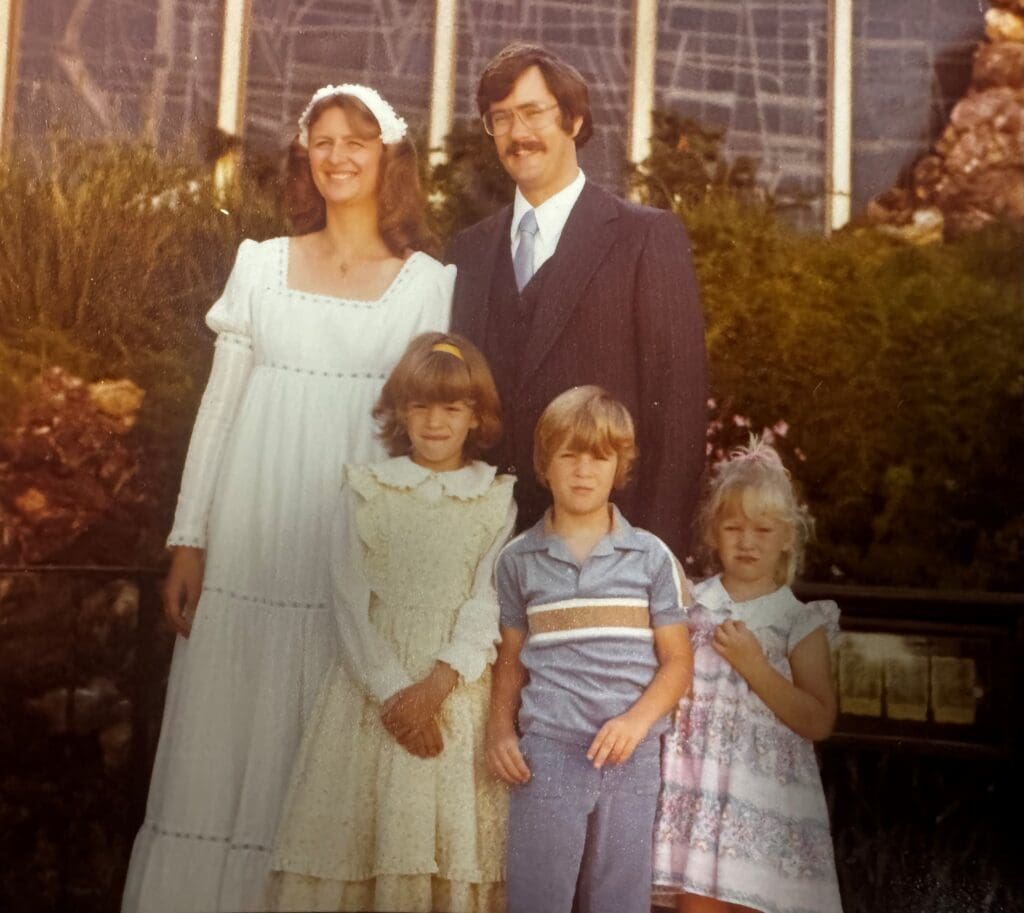
For a long time, I assumed that would not be my path. I imagined a life where I built a successful career, had financial independence, and the freedom to travel for work and for play. Then I met my husband. When you meet someone you know you’re meant to be with, and they want a family, your thinking can shift. For me, “Maybe kids will work” slowly became something I was open to, and eventually something I deeply wanted.
I want to be clear that there’s no right answer. Women should choose the lives, careers, and families that make sense for them. This is not about what anyone should do. But for me, becoming a mother was the best decision I’ve ever made. It’s the role I’ve loved the longest and the most.
The Life I Saw—and the One I Built
What has always struck me is how different my experience was from my mother’s. I learned a lot from watching her. I learned that I wanted to work outside the home. I learned that I needed a partner who would share responsibility inside the home. I learned that, for me, having two children felt more manageable than five. And I learned that while no one gets everything, each generation can make choices that make things a little easier.
That was certainly true for me. There are still things I wish I’d done differently. Times I wish I’d been more present. Moments where building a business and raising children competed in ways that were not always easy to reconcile. But overall, my experience was lighter, more supported, and more joyful than what I observed growing up. And it makes me think about what the next generation will experience.
Because this is where workplace structure matters more than we often acknowledge.
Where Workplaces Enter the Story
One of the most meaningful shifts in this space is the Pregnant Workers Fairness Act. At its core, the PWFA recognizes something simple but often overlooked: Pregnancy and related conditions should not force women out of the workforce when they’re able to work and want to work. With the right adjustments, many employees can continue contributing during pregnancy and after, without unnecessary disruption to their careers.
For employers, this isn’t about doing something extraordinary. It’s about doing something intentional. It means understanding that certain accommodations should be expected, such as more frequent breaks, the ability to sit, access to water, and adjustments to physically demanding work. In some cases, it may include temporary modifications to duties or even remote work where appropriate.
It also means recognizing that not every situation requires medical documentation. Some needs are obvious and should be addressed without creating unnecessary barriers.
And it doesn’t stop at pregnancy. Recovery, lactation, and other related conditions may also require thoughtful, temporary adjustments that allow employees to remain engaged in their work.
The Real Impact of Getting This Right
When employers get this right, the impact is significant. Employees don’t feel like they have to choose between their health and their careers. They don’t have to step back or step out unnecessarily. They can stay connected, continue contributing, and return to full capacity more seamlessly.
Over time, that builds something every organization wants. Loyalty. Stability. Retention.
We often talk about hiring great talent, but we should be talking more about how we keep it. Because the best employees are not just valuable when everything is easy. They’re valuable over the course of a career that includes both high-performing seasons and more complicated ones. Supporting employees through those moments is not just a compliance exercise.
It’s a reflection of culture.
It’s a signal of whether an organization understands that people have full lives, and that with the right structure and support, they can continue to do exceptional work through all of it.
The PWFA is a step in that direction. Not just for compliance, but for the kinds of workplaces that the next generation of employees will expect and deserve.


view + leave comments . . .